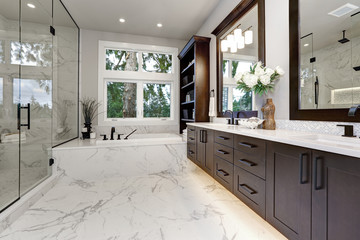
Whether you need your home to accommodate a wheelchair or simply prefer a safer space, accessible bathroom upgrades make good sense. When professionally installed, ADA-inspired enhancements also add value and look good.
The best advice is to consult with a contractor familiar with ADA requirements. This ensures that your remodel offers safety and functionality without sacrificing design. Contact https://jrcsi.com/ to learn more.
Grab Bars
Slippery surfaces in the bathroom, especially when wet, can increase fall risks for elderly individuals. Grab bars help reduce these risks by offering a stable point to grip in areas where falls are most common. They can also promote confidence and independence by enhancing stability during toileting or bathing.
A variety of grab bar shapes and sizes are available to suit different environments and user needs. Options include those that are curved at the ends, which can offer easier gripping for users with limited hand mobility and dexterity. Some even double as a towel bar or toilet paper holder, blending into the decor for an aesthetic that’s just as appealing as it is functional.
These safety features are often installed next to the toilet or in a shower area, where they’re most needed for support during transfers from seated to standing positions and vice versa. They may also be installed in hallways alongside stair railings to offer extra support while climbing or descending stairs. They can even be placed near laundry machines to aid in reaching into or out of these appliances.
The material used to make grab bars can influence their durability and strength. Stainless steel is a popular choice due to its superior corrosion resistance and ability to withstand heavy loads. It’s also easy to keep clean and dry, a critical feature for wet bathroom environments. For added comfort, some bars have a non-slip surface to help ensure an easy grip.
Some types of grab bars are designed to be foldable or retractable, making them a space-saving option that flips down when not in use and then easily re-installs. They’re also available in a range of colors to complement or match existing décor.
It’s important to note that grab bars can’t be mounted just anywhere — structural backing is required for installation to be safe and secure. This requires planning when performing a bathroom remodel or new construction to ensure the appropriate safety features are included in the design.
Shower Bench
Shower benches are a key part of accessible bathroom remodeling, providing support for seated patients or wheelchair users while bathing. Look for models with height-adjustable legs to accommodate varying body sizes and padded seats that feel comfortable rather than stiff. The bench should overhang slightly, too, to manage moisture and prevent slipping that might lead to falls and injury.
Many homeowners want to make their bathrooms more accessible but don’t want to spend big on a full remodel or a lot of money. That’s why we often see them opting for layout changes that improve movement, reach, and usability without changing the room’s basic structure. Switching to an outswing door creates knee clearance for wheeled mobility aids, while choosing a wall-mounted sink frees up floor space beneath the faucet. Replacing a tub with a low-threshold shower removes one of the biggest barriers without increasing floor size, and adding a curbless design reduces water splash risk even further.
Modifying lighting is another easy, budget-friendly way to improve accessibility. Layered lighting reduces shadows, which can hide slipping hazards on the floor, and soft overhead light plus task lights at the mirror and toilet can provide a clear path at night. Simple contrast can help too—a strip of bright color on a threshold or tile can prevent misjudging distances and tripping.
Other features can also make a bathroom more usable for seniors and people with limited mobility. For example, choosing water-saving fixtures reduces utility bills while maintaining performance (important for accessible spaces). Low-VOC materials are an added bonus for promoting healthy indoor air quality, which matters to people with asthma and other respiratory conditions.
Most homeowners don’t have a huge budget for a complete bathroom renovation, but the right mix of accessible design features can keep a bathroom working well for years to come. A professional designer can balance function and aesthetics, making a remodel budget go further with smart strategies that address multiple accessibility requirements at once. The result is a bathroom that will work well for everyone, not just those with the most severe limitations.
Direct Task Lighting
Having easy-to-reach light switches and outlets helps seniors avoid the frustration of having to ask for assistance in doing something they can do on their own. In addition, installing dimmers in the bathroom makes it easier to create a comfortable mood with less lighting or turn up the lights for activities like bathing and showering.
Another key part of accessible bathroom remodeling is installing direct task lighting. This adds more focus to the space for tasks, which can be helpful for aging adults who have limited vision or are experiencing eye fatigue. Recessed ceiling lights, track lights aimed at the bathroom vanity or wall sconces on both sides of the mirror help reduce glare. Also, opt for LEDs instead of halogen bulbs because they are more energy efficient and don’t generate as much heat.
Many homeowners worry that a handicap accessible bathroom remodel will look like a hospital. With the right planning, however, many safety upgrades can be hidden in the overall design of the bathroom. For example, a shower bench and grab bars can be tiled to match the walls while still being safe and useful. A higher toilet seat and anti-scald valves feel like comfort features but are actually safety upgrades that can make a big difference for older adults.
A good place to start when deciding what accessible bathroom features are right for your home is by discussing your options with an experienced remodeler. A Certified Aging-in-Place Specialist (CAPS) can provide expert advice and recommend the best upgrades that will suit your needs without compromising on style or resale value.
A CAPS can offer insight on how to incorporate these updates into a new design or renovation and can also guide you on what to consider if you’re building a brand-new home. For example, incorporating a non-slip floor and accessible fixtures such as lever-style door handles and faucets from the beginning can make your home ready for any future mobility changes. Using an open-concept layout can also be beneficial to those who might eventually need to use a wheelchair or other assistive devices.
Smart Technology
When it comes to accessible bathroom remodeling, there are many options that don’t feel clinical or “old-fashioned.” Incorporating smart home systems and advanced technologies makes a bathroom safer, more convenient and easier to navigate. These upgrades include smart shower controls that offer personalized settings, humidity-sensing fans that moderate moisture levels to prevent mold growth, and leak detectors that instantly alert you of a potential problem, so you can take action before the issue becomes more serious.
Smart systems are also ideal for promoting energy and water efficiency, a key consideration in aging-in-place design. A smart toilet that offers heated seats and automatic lids, for example, not only provides comfort for seniors, but also helps to save on utility bills. Other smart bathroom additions include non-slip flooring materials that help reduce the risk of falls, and layered lighting solutions that minimize glare.
A well-planned layout is the foundation of any accessible bathroom renovation. The key is providing ample space for movement, including wider doorways (ideally 36 inches wide) and outward opening or pocket doors that allow a wheelchair to maneuver through without having to turn around. In the same vein, a curbless shower keeps the floor free of obstacles that could trip or scratch an individual with limited mobility.
Incorporating a grab bar or two near the toilet, bathtub, or shower is another essential safety feature. These bars are positioned strategically for support, especially in the tub or shower area where slips and falls are most common. Strategically placed non-slip flooring can also prevent accidents by keeping the user’s feet firmly planted on the ground.
When considering a bathroom renovation, it’s important to discuss your future needs with a professional contractor or Certified Aging in Place Specialist (CAPS). These experts can ensure that your renovation project meets the latest accessibility standards while ensuring that the finished product is functional and visually appealing. It’s also a good idea to have a discussion with any family members who may be affected by the aging-in-place remodel so everyone can agree on the final plan and budget.